
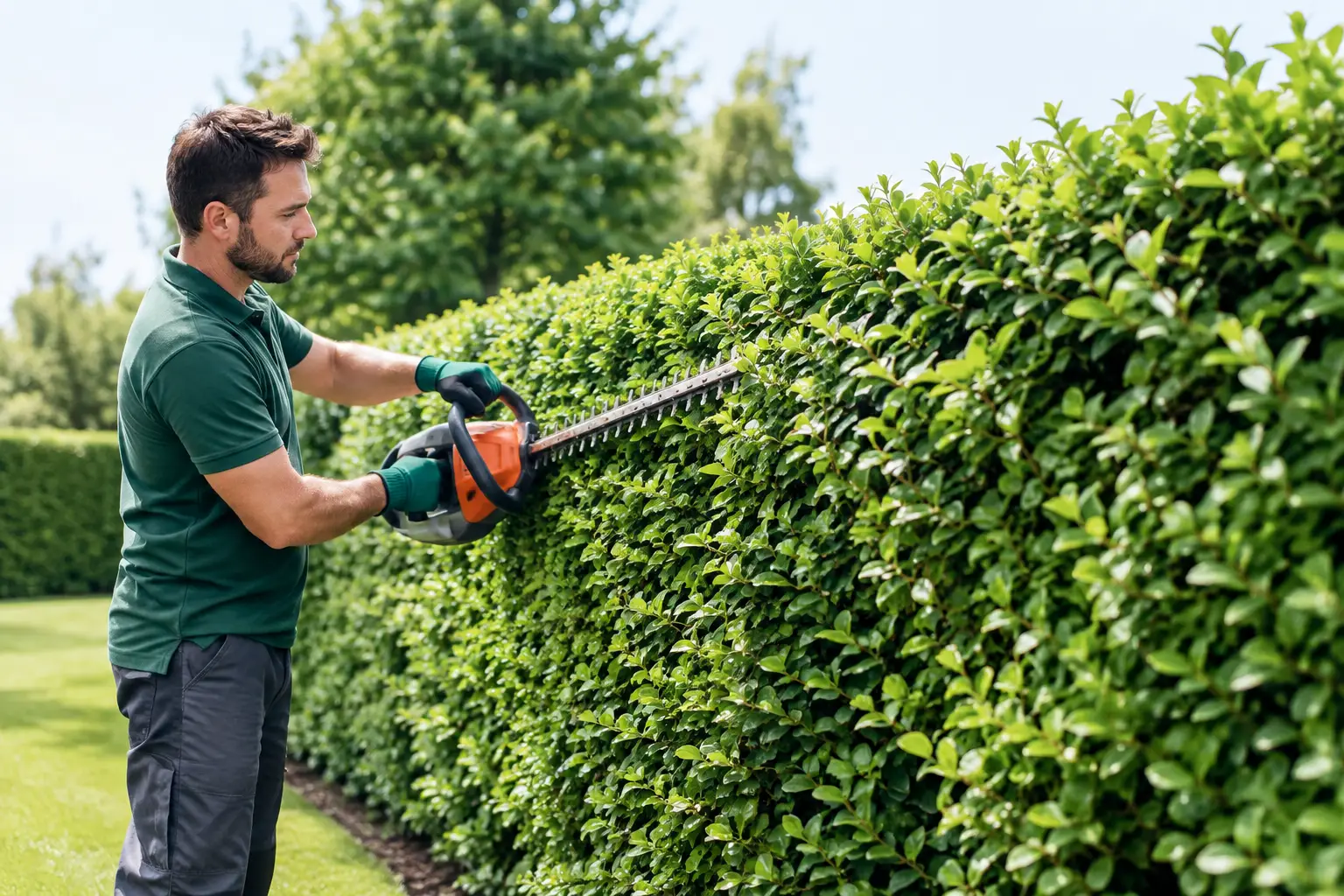
A privacy hedge shaping service is not just about making a row of shrubs look neat for a weekend. A properly shaped hedge gives your yard, strata property, or business site the screening you paid for while keeping branches off walkways, driveways, windows, and neighboring spaces. Done on the right schedule, it also helps the hedge stay fuller from top to bottom instead of turning thin, tall, and difficult to manage.
For many Fraser Valley properties, privacy hedges are doing real work. They block sightlines, soften traffic noise, define lot lines, and improve curb appeal. When they become overgrown, that same hedge can make a property look neglected, reduce usable space, and create a bigger cleanup job later.
What a Privacy Hedge Shaping Service Includes
Hedge shaping starts with a close look at the plant type, its condition, and its purpose on the property. Cedar, laurel, yew, boxwood, and other common hedge plants do not all respond the same way to trimming. The right approach depends on how fast the hedge grows, how mature it is, whether it has bare areas, and how much height or width needs to come off.
A professional service typically includes trimming the face and top of the hedge, cutting back growth that hangs over paths or fences, and cleaning up all clippings. If access is tight, crews also need to protect nearby garden beds, vehicles, windows, and outdoor furniture while they work. On larger hedges, the job may involve ladders, pole trimmers, and careful section-by-section work to keep the finished line even.
The goal is not to cut every hedge into a perfect square. Some properties need a formal, clean-edged look. Others are better suited to a softer, natural shape that still provides coverage. Either way, the hedge should look intentional and stay healthy after the crew leaves.
Why Hedge Shape Matters More Than Most People Think
The biggest mistake with privacy hedges is allowing them to grow unchecked for years, then cutting them back hard in one visit. Heavy reduction can expose brown interior growth, leave permanent gaps, and stress certain varieties. In some cases, a hedge will not fill back in where old wood has been cut.
Regular trimming avoids that problem. Light, planned cuts encourage new growth near the outside of the plant and keep the hedge within a manageable size. It is generally easier, cleaner, and more affordable to maintain a hedge than to restore one that has become too tall or too wide.
Shape also affects how sunlight reaches the hedge. A hedge that is wider at the bottom and slightly narrower at the top allows light to reach lower branches. That helps reduce the bare, leggy look that often develops when the upper canopy shades everything below it. A straight vertical wall may look sharp immediately after trimming, but it can work against the long-term health of the screen.
The Right Time to Trim Depends on the Hedge
There is no single calendar date that works for every privacy hedge. Fast-growing hedges may need two or three trims during the growing season, while slower-growing varieties may only need one proper shaping visit each year. The condition of the hedge matters more than following a rigid schedule.
For many evergreen privacy screens, a spring or early summer trim handles the first flush of growth, followed by a lighter touch-up later in the season if needed. Avoiding severe trimming during extreme heat, drought, or freezing weather gives the hedge a better chance to recover well.
A hedge that is blocking a sidewalk, covering a window, pushing against a fence, or growing into utility clearance areas should not wait until the ideal season. In those cases, a practical cutback can address the immediate problem, with a longer-term maintenance plan put in place afterward.
Signs Your Hedge Needs Professional Attention
You do not need to measure every branch to know when a hedge is due. Uneven growth, branches leaning into walkways, and a top that is visibly wider than the base are clear signs. So are dead patches, vines or blackberry canes growing through the hedge, and branches pressing against siding, gutters, or fencing.
Property managers often notice the issue when a hedge begins affecting common areas. A narrow walkway feels tighter, sightlines around a driveway are reduced, or landscaping starts to look inconsistent across the site. Commercial properties can run into the same problem at entrances, parking areas, and public-facing boundaries where an untrimmed hedge sends the wrong message.
For homeowners, the trigger is often simpler: the yard no longer feels private because the hedge has become patchy, or it feels smaller because the plants have taken over. A professional assessment can determine whether the hedge needs routine shaping, selective thinning, height reduction, or removal and replacement of damaged sections.
What to Expect From a Proper Hedge Trimming Visit
A dependable crew should start by confirming what needs to be shaped and how you want the finished hedge to look. If there are shared property lines, gates, delicate plants, or access concerns, those details should be discussed before cutting begins.
The work itself should be controlled, not rushed. Crews generally shape broad areas first, then refine the lines and remove branches that extend beyond the intended profile. Taller hedges take more time because maintaining an even finish from ground level to the top requires safe access and repeated visual checks.
Cleanup matters just as much as the trim. Hedge clippings can get into garden beds, gravel, patio furniture, and drains if they are not collected properly. A complete service leaves the area cleared, with debris removed rather than piled at the edge of the property for someone else to deal with.
Maintenance Is Usually Better Than a One-Time Overhaul
A one-time hedge shaping job can make a major difference, especially after a property has changed hands or been neglected for a season. But privacy hedges keep growing. Without follow-up care, they gradually lose the clean lines and open space created during the initial visit.
For busy homeowners, scheduled maintenance takes the pressure off. Instead of watching the hedge get taller and wondering when it has become a problem, you have a regular service plan based on the plant type and the look you want to maintain.
Strata and commercial properties benefit even more from consistency. Regular visits help keep entrances, sidewalks, shared yards, and perimeter screening presentable throughout the season. They also make budgeting easier because the work is planned rather than treated as an emergency cleanup after the hedge has become overgrown.
Hedge Shaping, Thinning, and Removal Are Different Jobs
Not every hedge needs the same service. Shaping focuses on the outside profile and ongoing appearance. Thinning selectively removes interior or crossing branches to improve airflow and reduce density in problem areas. Height reduction is more involved and must be handled carefully, especially with mature cedar hedges or plants that do not regrow well from old wood.
Removal is the right call when a hedge is dead, badly diseased, planted too close to structures, or no longer serving the property well. It may also make sense when a homeowner wants a lower-maintenance boundary or needs better access for a fence repair, drainage work, or new landscaping.
A straightforward contractor will explain the trade-off. Saving an existing hedge can be worthwhile, but not if it requires repeated heavy cuts, creates ongoing safety issues, or cannot provide the privacy the property needs.
Choosing a Service That Can Handle the Whole Property
Hedge trimming often connects to other exterior work. Blackberry removal may be needed along the base of the hedge. Fallen branches, yard waste, and old materials may need to be hauled away. Trees growing above the hedge can block light or drop debris into it, while pressure washing and general cleanup can improve the rest of the property’s appearance at the same time.
Working with one capable local crew reduces the hassle of coordinating separate contractors for every outdoor issue. Hometown Landscaping Near Me provides hedge trimming along with property cleanup, brush removal, tree work, and ongoing landscape maintenance for residential, strata, and commercial properties. The practical advantage is simple: one call can address the hedge and the surrounding work that affects it.
Keep the Privacy Without Letting the Hedge Take Over
A well-kept hedge should give you privacy without swallowing the yard, narrowing access, or becoming a constant weekend project. The best time to arrange service is before growth becomes a major correction job. A clear plan, a fair quote, and regular attention will keep your screening dense, tidy, and useful season after season.
Leave a Reply