
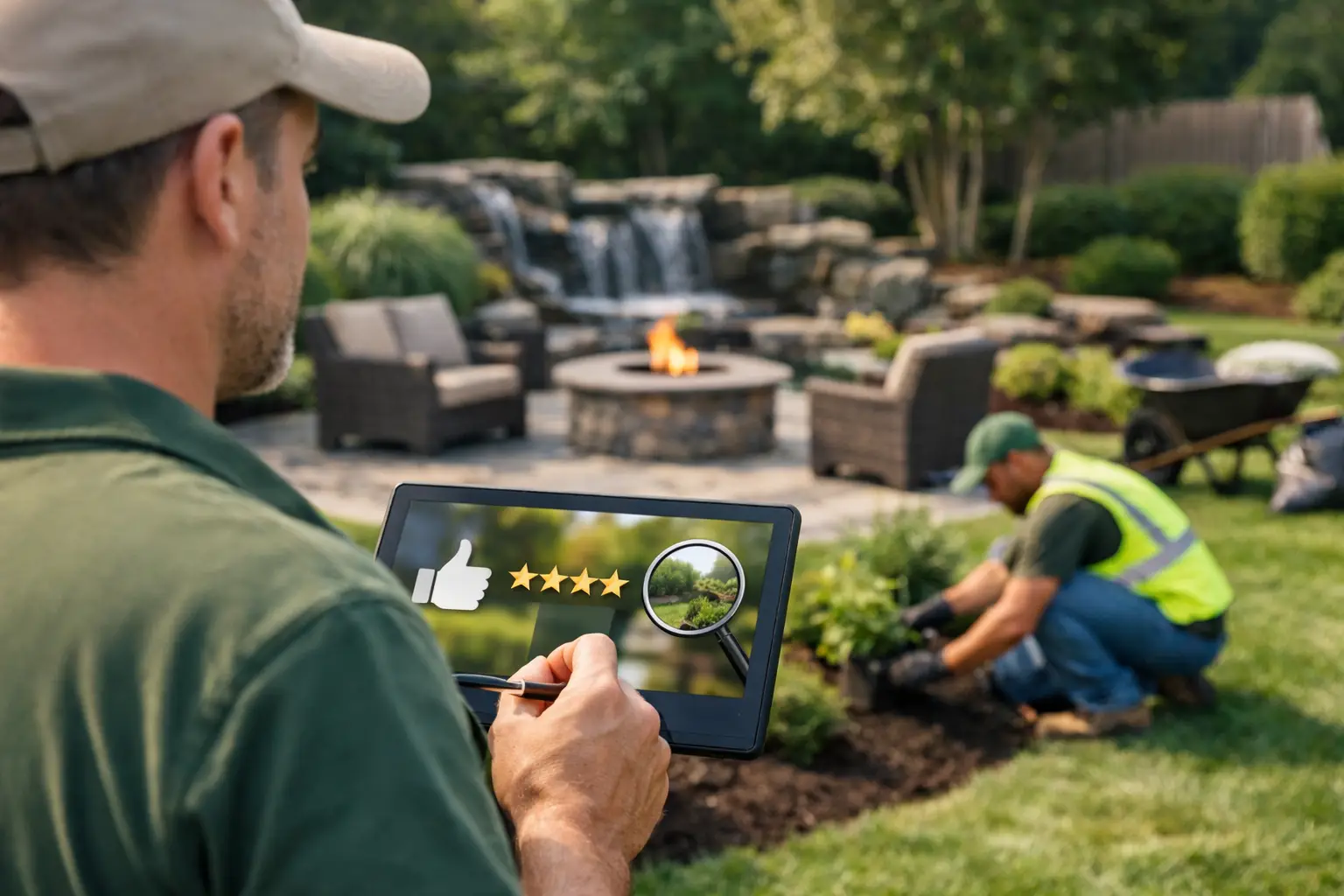
A freshly cut lawn can hide a lot for one afternoon. The real test is whether the contractor returns when scheduled, clears the debris, responds when a hedge gets out of hand, and finishes the job without creating more work for the owner. That is why landscape contractor ratings matter. They can give homeowners, strata councils, and commercial property managers a useful picture of what working with a company is actually like.
A five-star average is a good starting point, but it should not be the whole decision. The best reviews explain the type of work completed, how the crew communicated, and whether the property looked better when the job was done. For recurring maintenance, reliability often matters just as much as the result from a single visit.
What Landscape Contractor Ratings Can Tell You
Ratings help reduce the guesswork when you need a contractor for lawn maintenance, brush clearing, tree work, pressure washing, or a full property cleanup. They are especially useful when the job is urgent or when several areas of a property need attention at once.
Look beyond the score and read the written comments. A review that says a contractor was “great” is positive, but it does not tell you much. A review that describes prompt quoting, clear scheduling, careful hedge trimming, cleanup after tree removal, or dependable weekly mowing gives you more practical information.
For strata and commercial sites, pay close attention to comments about consistency. Shared properties need crews that show up on schedule, keep walkways and common areas presentable, and communicate clearly with the person responsible for the site. One excellent cleanup does not necessarily mean a contractor is set up for ongoing maintenance.
Recent Reviews Carry More Weight
A contractor’s service level can change over time. Crews grow, schedules get busier, and the types of jobs a company takes on may shift. Recent reviews are usually more useful than praise from several years ago because they better reflect the current team and process.
This does not mean older reviews should be ignored. A long pattern of positive feedback can show that the business has been reliable over time. But if you are choosing between two companies, give extra attention to what clients have said in the past year.
Look for Jobs Similar to Yours
Landscaping is a broad field. A company that does excellent garden design may not be the right choice for recurring strata maintenance, blackberry removal, or a large commercial cleanup. Ratings are most helpful when the reviewer had needs similar to your own.
A homeowner with an overgrown yard should look for feedback on brush removal, hedge work, hauling, and job-site cleanup. A property manager should look for reviews that mention recurring visits, professional communication, dependable scheduling, and the ability to handle changing site needs. A commercial operator may need a contractor that can maintain curb appeal while also dealing with litter, pressure washing, pruning, and seasonal cleanup.
How to Read Ratings Without Getting Misled
No contractor will have a perfect review record forever. Weather delays happen. Access can be limited. A customer may change the scope of work after a quote has been prepared. What matters is how the contractor handles problems when they come up.
Read the lower ratings as carefully as the positive ones. Is the complaint specific? Does it sound like an isolated situation or a repeated pattern? More importantly, did the company respond professionally and try to resolve the issue? A calm, practical response to criticism can be a better sign than a page full of generic five-star comments.
Be cautious with reviews that offer no details, whether they are highly positive or strongly negative. They may be real, but they are not as useful for judging the work. Detailed feedback usually provides a clearer view of expectations, work quality, and customer service.
It also helps to consider the number of reviews. A perfect score from a small number of customers is encouraging, but a strong score across many reviews may provide more confidence. That said, a smaller local contractor can still be an excellent fit if the feedback is detailed, recent, and consistent with the work you need done.
Questions Ratings Cannot Answer for You
Reviews are useful, but they cannot replace a proper quote and a direct conversation. Every property has different access, vegetation, drainage, safety concerns, and maintenance needs. A contractor needs to see the job or receive accurate details before offering a realistic price and schedule.
Ask what is included in the quote. For example, hedge trimming may include cutting and cleanup, but the expected shape, height reduction, and disposal requirements should be clear. With blackberry or brush removal, ask whether the quote covers hauling, repeat treatment, or only the initial clearing. For lawn maintenance, confirm mowing frequency, edging, blowing, and seasonal cleanup expectations.
You should also ask how the contractor manages changes. A small pile of yard waste is one thing. A hidden dump pile, fallen limb, or heavy overgrowth discovered after work starts is another. A dependable company will explain the issue, discuss the added work, and confirm any price change before moving ahead.
For strata and commercial clients, establish one point of contact and a clear reporting process. The best arrangement is not always the lowest monthly quote. It is the one that makes site maintenance easier to manage, with clear communication when conditions change or extra work is recommended.
Signs of a Reliable Landscaping Partner
Landscape contractor ratings should support what you see during the quoting process. A reliable contractor is usually straightforward about the work, the cost, and the expected timing. They do not need to oversell a basic maintenance job. They need to understand the property, provide a clear plan, and follow through.
Pay attention to how quickly the company responds and whether the answers are direct. If you ask about debris removal, scheduling, or a concern with access, you should not have to chase down basic information. Good communication before the job is often a fair indication of communication during the job.
You should also consider service range. Hiring separate companies for mowing, tree trimming, overgrowth control, pressure washing, and junk removal can create extra scheduling and extra hassle. For many properties, a contractor that can handle routine upkeep and one-time cleanup work is the more practical choice. The trade-off is that specialty projects may still require a dedicated arborist, irrigation technician, or landscape designer. The right contractor knows where their work begins and ends.
Use Ratings to Start a Better Conversation
The goal is not to find a contractor with the most polished online profile. The goal is to find a team that can keep your property safe, usable, and presentable without making you manage every detail.
Use ratings to narrow your options, then request a clear quote from the companies that appear to handle work like yours. Share photos, explain access issues, and be upfront about the result you want. Whether you need a one-time yard cleanup or regular maintenance across a larger site, a dependable local crew should make the next step simple: clear scope, fair pricing, and a job finished properly.
Leave a Reply