
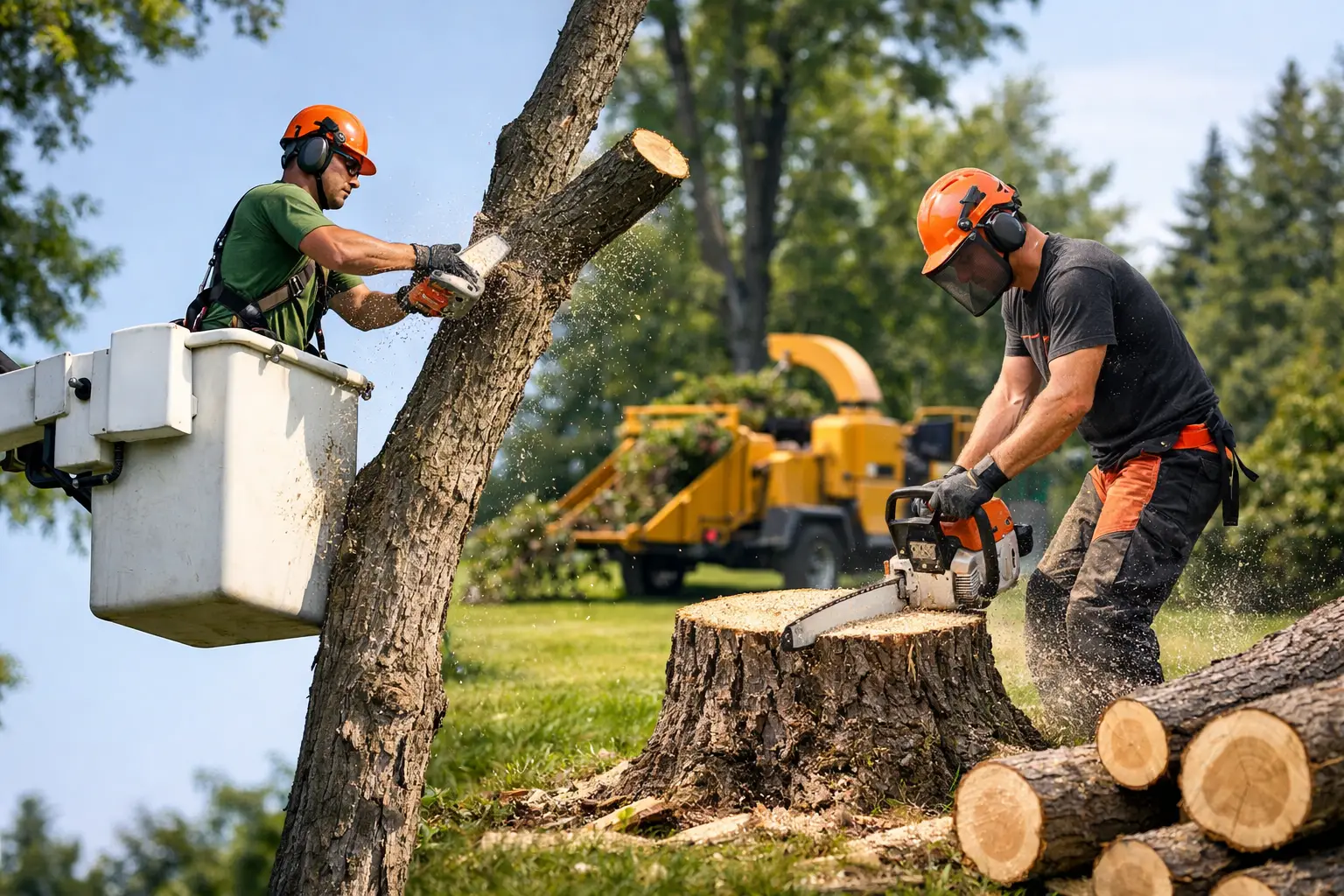
A tree that looks “mostly fine” can still be a real problem. One heavy windstorm, a cracked limb over a driveway, or branches rubbing a roof can turn a manageable issue into cleanup, damage, and extra cost. That is why tree trimming and tree removal should be handled before a small problem becomes a bigger one.
For homeowners, strata properties, and commercial sites, the goal is usually simple. Keep the property safe, usable, and clean without letting overgrowth take over. The right approach depends on the condition of the tree, its location, and what you need the space to do.
When tree trimming makes sense
Tree trimming is often the right call when a tree is healthy but no longer working well for the property. Branches may be hanging too low over walkways, pushing into power lines, shading out grass, scraping siding, or blocking sightlines near entrances and parking areas. In those cases, trimming improves function without losing the tree.
A good trim also helps with appearance, but looks should not be the only reason for the work. Done properly, trimming can reduce weight on heavy limbs, remove dead or broken branches, and improve clearance around buildings, fences, and vehicles. On larger properties, it can also help keep common areas open and easier to maintain.
That said, more trimming is not always better. Cutting too much at once can stress a tree, weaken future growth, and leave it looking rough. The best results come from removing the right branches for the right reason, not just cutting everything back hard because it feels faster.
Common signs a tree needs trimming
Most people wait until a branch is obviously in the way, but there are earlier signs worth paying attention to. Limbs that are dead, split, or hanging over roofs should be addressed sooner rather than later. Branches crowding each other can also become a problem, especially in wind or heavy rain.
For shared properties and commercial spaces, clearance matters even more. Trees that block signage, reduce visibility at drive lanes, or interfere with pedestrian access create a maintenance issue and a safety issue at the same time. In those situations, regular trimming is often part of keeping the site presentable and functional.
When tree removal is the better option
Sometimes trimming is just delaying the obvious. If a tree is dead, badly damaged, leaning dangerously, hollow, or growing in a place where it can no longer be managed safely, removal may be the smarter option.
This is especially true when the tree is too close to a structure, dropping large limbs, lifting hard surfaces with roots, or interfering with planned use of the property. A tree can have sentimental value or visual appeal, but if it creates ongoing risk or repeated maintenance headaches, removal may save money and trouble over time.
There is also the question of scale. A small ornamental tree with minor damage may be worth shaping and preserving. A large mature tree with major structural issues near a building, parking area, or shared access route is a different story. In that case, leaving it in place can expose the property owner or manager to more risk than benefit.
Tree removal is not only about dead trees
A lot of people assume removal only applies when a tree is fully dead. In reality, there are plenty of cases where a living tree still needs to come down. It may be growing too close to foundations, crowding out other plantings, taking over usable yard space, or making routine maintenance harder than it needs to be.
For strata and commercial properties, this often becomes a practical decision. If a tree constantly drops debris into parking stalls, blocks exterior lighting, or creates recurring complaints from residents or tenants, removal can be the cleaner long-term fix.
Tree trimming and tree removal for different property types
The work can look similar from the street, but the priorities are different depending on the property.
For homeowners, the focus is often on safety, curb appeal, and getting control of an overgrown yard. You may want more sunlight, less mess in the gutters, or fewer branches hanging over the house. In some cases, one neglected tree is the reason the whole yard feels harder to maintain.
For strata councils and property managers, consistency matters. Trees affect walkways, shared green spaces, parking areas, sightlines, and resident complaints. Work needs to be done cleanly, safely, and with minimal disruption. It also helps when the same contractor can handle related work like hedge trimming, brush clearing, and general cleanup instead of leaving the site half finished.
For commercial properties, image and access matter just as much as safety. Trees that block storefront visibility, overhang loading areas, or drop debris near customer entrances create a poor first impression. Keeping trees trimmed or removed when needed helps the whole property look maintained, not neglected.
What to expect from the job
Good tree work is not just about cutting. It starts with looking at the tree, the surrounding area, and the safest way to handle the job. Nearby fences, roofs, sheds, parked vehicles, utility lines, and landscaping all affect the approach.
With trimming, the goal is to solve the problem without overcutting. That could mean removing deadwood, lifting lower limbs, thinning problem areas, or clearing branches away from structures. With removal, the process usually involves taking the tree down in controlled sections, managing debris, and leaving the area cleaner and more usable.
Cleanup is a big part of the value. Branches, logs, sawdust, and loose debris add up fast. If the work gets done but the mess stays behind, the job is not really finished. That is one reason many property owners prefer a full-service company that can handle trimming, removal, hauling, and site cleanup in one visit.
Timing matters more than people think
Many tree problems get noticed after a storm, but the best time to deal with them is before weather forces the issue. Heavy rain, wind, and winter conditions can expose weak limbs and unstable trees fast. Waiting until a branch falls on a fence or blocks a driveway usually means a more urgent and more expensive job.
Season also affects visibility and access. In some cases, it is easier to assess structure when leaves are off. In others, active growth makes problem areas more obvious. The right timing depends on the tree and the reason for the work, which is why a straightforward site assessment matters more than a one-size-fits-all rule.
The trade-off between cost now and cost later
A lot of property owners try to stretch the life of a problem tree with repeated trimming because removal feels like the bigger expense. Sometimes that makes sense. If trimming gives you several more years of safe, manageable growth, it can be a practical choice.
But if the same tree keeps causing damage, dropping limbs, or requiring frequent cleanup, the lower upfront cost may not be the lower total cost. That is where honest advice matters. The right recommendation is not always the smaller job. It is the one that actually fixes the issue.
Choosing a practical solution
Tree work should make the property easier to manage, not add another ongoing problem. That means looking beyond the tree itself and thinking about the full site. Will trimming solve the issue for a reasonable amount of time? Is removal the safer option? Will the job improve access, reduce cleanup, and make the space more usable?
For many clients in the Fraser Valley, the best answer is the one that keeps everything moving with less hassle. If a contractor can handle tree trimming and tree removal along with brush clearing, hedge work, and property cleanup, that usually means fewer delays and fewer loose ends. Hometown Landscaping Near Me is built around that kind of practical service.
If you are looking at an overgrown tree and wondering whether it needs a cleanup or needs to come down, trust the signs in front of you. Safety issues, blocked access, recurring debris, and damage risk rarely improve on their own. Taking care of it now usually means a cleaner property, fewer headaches, and one less thing waiting for the next storm.
Leave a Reply