
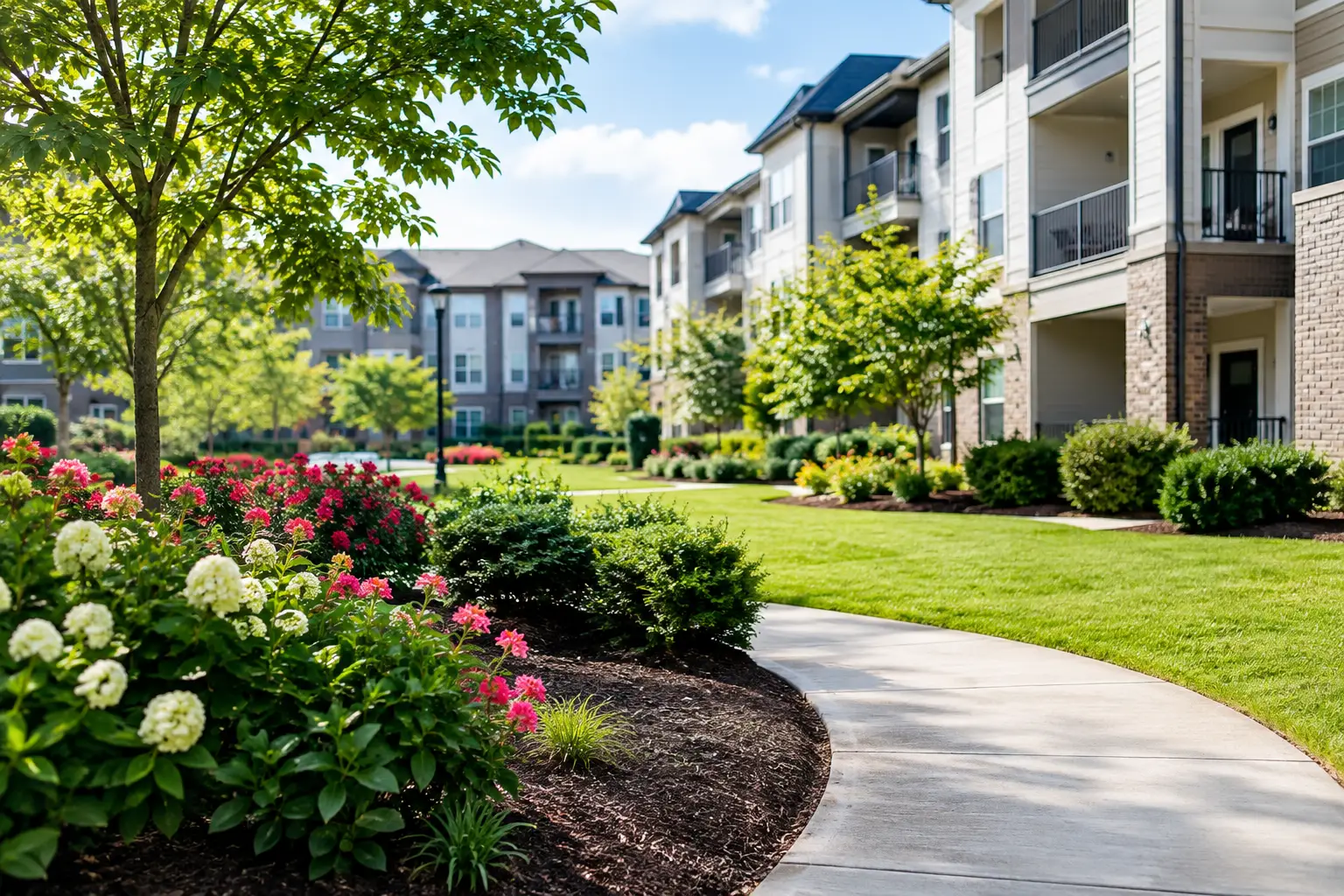
A neglected apartment property shows up fast. Weeds push through walkways, blackberries take over fence lines, shrubs block windows, and litter collects where tenants pass every day. Apartment grounds restoration is the practical work of bringing those outdoor areas back under control so the property looks cared for, feels safer, and is easier to maintain going forward.
For property managers and strata councils, this is not just about appearance. Outdoor neglect can create trip hazards, hide sightlines, reduce usable space, and lead to more expensive cleanup later. A focused restoration plan deals with the immediate mess while setting the property up for regular maintenance that keeps the problem from returning.
What Apartment Grounds Restoration Actually Covers
Grounds restoration starts with an honest look at the site. Some properties need a straightforward seasonal cleanup. Others have gone months or years without consistent care and need heavy brush removal, tree work, hauling, pressure washing, and a reset of lawn and garden areas.
The scope depends on the condition of the property, but the work often includes clearing overgrown brush and invasive blackberries, mowing and edging neglected lawns, trimming hedges, pruning low or damaged tree branches, removing yard waste and junk, and cleaning hard surfaces. The goal is not to make every corner look overly landscaped. It is to make the whole property clean, safe, accessible, and presentable.
A good restoration also separates work that must happen now from work that can be handled through a maintenance schedule. For example, a hedge growing into a sidewalk needs prompt trimming. A thin lawn may need cleanup and ongoing mowing first, then a separate plan for improving its condition over time.
Start With Safety and Access Issues
The first priority is always the areas people use every day. Entrances, sidewalks, parking areas, garbage enclosures, mail areas, stairways, and common green spaces need clear access and good visibility. Overgrowth in these places creates problems for tenants, visitors, deliveries, and maintenance crews.
Walk the site and look for branches hanging into paths, shrubs covering signs or lighting, loose debris near stairs, and vegetation growing across parking stalls. Check fence lines as well. Blackberry canes and unmanaged brush spread quickly in the Fraser Valley, especially around the edges of apartment buildings, back lanes, and unused sections of a lot.
Tree work deserves extra care. Dead limbs, low branches, and limbs rubbing against roofs or buildings should be assessed early. Not every tree needs removal, but waiting too long on damaged or unstable growth can turn a manageable trimming job into a safety issue. The right approach depends on the tree’s condition, its location, and what sits below it.
Clear Overgrowth Before It Spreads Further
Heavy overgrowth is one of the most common reasons apartment managers call for restoration work. It makes a site look abandoned, restricts access, and gives pests places to hide. It also makes routine mowing and cleanup harder because crews cannot reach the areas that need attention.
Blackberry removal is especially important. Cutting canes back improves the appearance right away, but the roots and new shoots can return if the area is left without follow-up. In some cases, a full clearing and disposal service is the right first step, followed by scheduled monitoring and cutting. On other sites, frequent maintenance is enough to keep new growth from taking over.
Brush removal should include proper hauling, not just piling material in an out-of-the-way corner. Leaving green waste on site can block drainage, attract rodents, and make a cleaned area look unfinished. A complete job means the debris leaves with the crew and the cleared space is usable again.
Restore the Details Tenants Notice
Tenants may not comment on a freshly edged lawn, but they notice when the property looks rough. Clean edges, trimmed hedges, clear paths, and tidy common areas create a better day-to-day experience. Those details also help property managers show current and prospective tenants that the building is being looked after.
Lawn restoration does not always mean replacing turf. If the lawn is mostly healthy but overgrown, mowing, edging, debris removal, and regular service may be enough. If the soil is compacted, the grass is sparse, or wear is heavy near walkways and parking, the property may need more work. The best option depends on budget, season, drainage, and how much foot traffic the area receives.
Hedges should be trimmed for shape, clearance, and visibility. Cutting them back too aggressively can leave bare spots or stress the plant, so timing and technique matter. At the same time, avoiding needed trimming because a hedge is overgrown only makes the eventual job larger. A practical crew will cut it back to a manageable condition and explain what ongoing care will be needed.
Hard surfaces also matter. Pressure washing can improve entryways, walkways, retaining walls, and shared patios where dirt, algae, or stains have built up. It is a useful finishing step once debris and vegetation are cleared, but it should not be used as a substitute for fixing the source of recurring mud, moss, or drainage issues.
Apartment Grounds Restoration Needs a Clear Work Plan
Trying to restore every area at once can waste time and money. A better plan divides the work into logical phases. The first phase handles hazards, access, and major overgrowth. The second focuses on cleanup, pruning, mowing, and presentation. The final phase puts recurring maintenance in place so the reset lasts.
For a larger apartment or strata property, the work may be scheduled by section to reduce disruption. Crews can start with the most visible frontage, then move to side yards, parking edges, garbage areas, and back fences. This approach keeps the site functional while the work is underway and gives managers a clearer picture of where the budget is going.
Before work begins, it helps to confirm where green waste, branches, junk, and other material will be staged for loading. Parking access, tenant notices, gate codes, and sprinkler locations should also be addressed upfront. These details are simple, but they prevent delays and help the job move efficiently.
Restoration Is Different From Ongoing Maintenance
A one-time cleanup can make a major difference, but it will not hold if no one maintains the grounds afterward. Grass grows, hedges fill out, leaves fall, and blackberry shoots return. Restoration gets the property back to a manageable baseline. Maintenance protects that baseline.
The right frequency depends on the property. A small building with limited landscaping may only need regular mowing, hedge trimming, and seasonal cleanup. A larger complex with shared lawns, mature trees, long fence lines, and high foot traffic may need more frequent service. Properties near wooded areas or unmanaged neighboring lots often need added attention for brush and blackberry control.
One provider that can handle mowing, trimming, brush clearing, pressure washing, junk removal, and seasonal cleanup reduces the back-and-forth of coordinating several contractors. Hometown Landscaping Near Me works with property managers, strata councils, and owners who want that kind of straightforward coverage: fair pricing, clear communication, and the work completed properly.
When to Schedule the Work
There is rarely a bad time to address unsafe or badly neglected grounds. Still, planning around the season can improve results. Spring is useful for clearing winter debris, pruning, and getting lawns ready for the growing season. Summer is often when fast-growing brush, blackberries, and hedges need the most attention. Fall cleanup keeps leaves and organic buildup from creating slippery surfaces or blocking drains.
If a property is being prepared for tenant turnover, an inspection, or a sale, restoration should be scheduled early enough to allow for unexpected findings. A buried fence line, broken branches, or a large volume of junk can add time to the project. A site visit and clear quote make it easier to set realistic expectations.
The best time to restore apartment grounds is before neglect becomes a larger repair bill. Clear the hazards, remove what is taking over, and put a dependable maintenance plan in place while the property is back under control.
Leave a Reply