
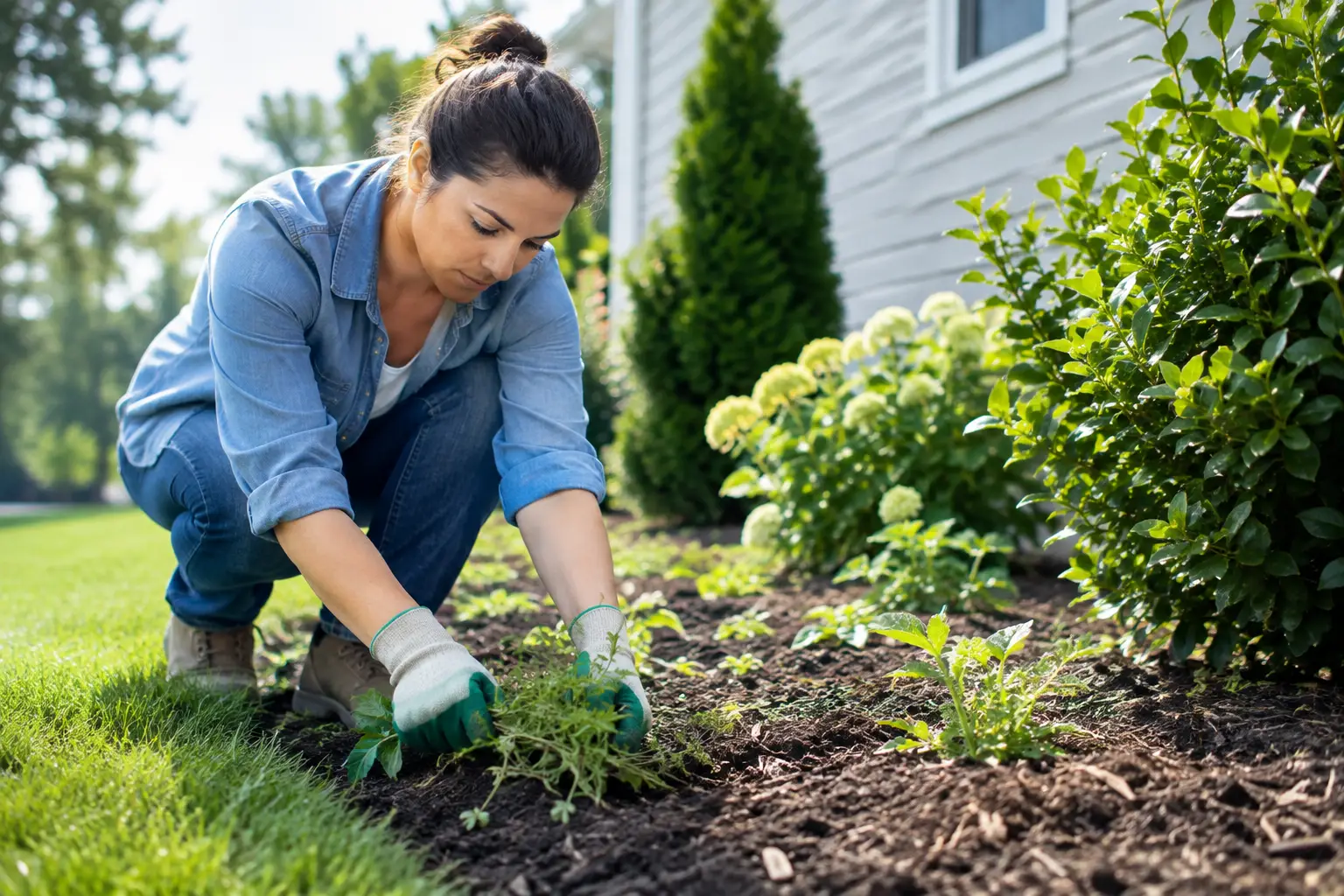
A yard can look clean on Friday and be covered in fresh weed growth two weeks later. That is usually not because the original work was done poorly. It is because roots, seeds, bare soil, and missed follow-up gave the weeds another opening. Knowing how to prevent weed regrowth means treating the cause, not just cutting down what is visible.
For homeowners, strata councils, and commercial property managers, the goal is simple: keep landscapes usable, safe, and presentable without turning weed control into a constant emergency. The right approach depends on the weed type, the area being maintained, and how much regular upkeep the property receives.
Start With Complete Removal, Not Just a Quick Cut
Cutting weeds at ground level improves appearances, but it rarely stops regrowth on its own. Many common weeds store energy in their roots and will send up new shoots after being trimmed. Dandelions, bindweed, thistle, horsetail, and blackberry can all return quickly when roots or underground runners remain in place.
For small areas, hand pulling or digging can work well if the root system comes out with the plant. Pull after rain or watering, when the soil is softer and roots release more easily. A narrow digging tool helps remove deep taproots without disturbing a large section of lawn or garden bed.
For larger overgrown areas, brush clearing and mechanical removal may be the practical option. Blackberry removal is a good example. Cutting canes back makes a property look better right away, but the crown and root system must be addressed or the patch will return. Thick, established growth may need more than one visit, especially where roots have spread into hedges, fence lines, drainage areas, or neighboring vegetation.
Do Not Leave Bare Soil Behind
Bare soil is an open invitation for weeds. Seeds are already sitting in the ground, and more arrive through wind, birds, foot traffic, equipment, and fresh soil brought onto the property. Once an area is cleared, cover it or replant it as soon as practical.
Mulch is one of the simplest ways to prevent weed regrowth in garden beds and around trees. A two- to three-inch layer of clean wood chips or bark mulch blocks light, helps soil hold moisture, and reduces the number of seeds that can take hold. Keep mulch slightly away from tree trunks, shrub stems, and building siding to avoid trapping excess moisture where it does not belong.
Landscape fabric can help in some locations, but it is not a permanent fix. It works best under decorative rock, paths, or low-disturbance areas where it can be properly installed. In planting beds, fabric often becomes exposed, tears during maintenance, and collects soil on top of it. Once soil builds up, weeds can grow above the fabric anyway.
For lawns, the answer is different. A dense, healthy lawn is the ground cover. Overseeding thin spots, repairing damaged turf, and improving watering practices leave fewer openings for broadleaf weeds and grassy weeds to establish.
Mow and Trim at the Right Time
Routine mowing is more than a curb-appeal service. Done properly, it limits weed growth by preventing many annual weeds from flowering and dropping new seed. The key is consistency. Letting a lawn or field edge grow tall, then cutting it down once, often allows weeds to seed before the crew arrives.
Avoid cutting grass too short. Scalping weakens turf, exposes soil, and gives weeds more sunlight. In most lawns, keeping grass at a healthy height encourages stronger roots and better shade at the soil surface. Mower blades should also be sharp. Dull blades tear grass, leaving it stressed and more vulnerable during dry weather.
Trimming along fence lines, curbs, parking areas, walkways, and buildings matters just as much. These edges are common weed zones because grass is thin, debris collects there, and routine mowing does not reach every spot. Commercial and strata properties benefit from a regular schedule that includes edge work rather than treating it as an occasional cleanup item.
Stop Weed Seeds Before They Spread
One mature weed can produce far more seeds than most property owners expect. If weeds are flowering, the priority is to remove or cut them before seed heads mature and spread. This is especially useful for annual weeds that rely mainly on reseeding each year.
Bag and remove plants that have already formed seed heads instead of leaving them in a loose pile on the property. Composting can be fine for ordinary green waste when the pile gets hot enough, but a casual backyard pile may not destroy weed seeds or aggressive root pieces. When in doubt, dispose of the material through a proper green waste or cleanup process.
Equipment can spread seeds too. Clean mower decks, trimmer guards, brush cutters, and boots after working in a heavily infested area, particularly before moving to a clean section of the same property. This is a small step, but it helps prevent a manageable patch from becoming a property-wide issue.
Use Weed Treatments Carefully and Only Where They Fit
Herbicides can be useful for persistent weeds, large gravel areas, cracks in pavement, and invasive growth that is difficult to remove by hand. They are not always the best first choice, and they should not be treated as a one-time cure. A product may kill visible top growth while deeper roots or nearby seeds remain.
The right product and method depend on the plant, location, weather, and nearby vegetation. Spraying on a windy day can damage plants you want to keep. Applying the wrong treatment near drainage routes, water features, vegetable gardens, or shared residential spaces can create bigger problems than the weeds themselves.
For established blackberries, bindweed, and other aggressive perennials, a targeted treatment plan combined with cutting and follow-up visits may be more effective than repeated broad spraying. Always follow the product label and local rules. On multi-unit and commercial sites, weed treatment should also be coordinated with property access, pets, residents, and public-facing areas.
Fix the Conditions That Keep Bringing Weeds Back
Weeds are often a sign that the growing conditions favor them. Compacted soil, poor drainage, thin turf, damaged irrigation, neglected beds, and piles of organic debris all create opportunities for unwanted growth.
If weeds keep appearing in the same lawn area, look at the lawn itself. Does water pool there? Is the grass thin because of shade, pet traffic, or compacted soil? Has the mower been cutting too low? Aeration, overseeding, drainage improvements, and better mowing practices can reduce the problem more effectively than repeated spot treatment.
In beds and around shrubs, remove fallen branches, old pots, construction debris, and dense leaf buildup that prevents regular maintenance. Some leaf cover is useful, but thick, wet layers can hide weeds until they are established. A spring cleanup and a fall cleanup make ongoing maintenance much easier.
Build Weed Prevention Into Regular Property Maintenance
The most cost-effective weed control is usually a steady maintenance routine. Small weeds are faster to remove, require less labor, and are less likely to spread. Waiting until a site is overgrown turns regular landscaping into a larger cleanup job.
For a typical home, that may mean regular lawn mowing, seasonal bed weeding, mulch refreshes, hedge trimming, and quick attention to new blackberry shoots. For strata and commercial properties, it often means scheduled mowing and trimming, common-area inspections, parking lot edge control, brush management, and periodic cleanup of problem areas.
The schedule should match the property. A shaded, established yard may need less bed work than a sunny new development with disturbed soil. A commercial site with heavy foot traffic may need more frequent edge trimming and litter removal. Properties beside vacant land, wooded areas, or drainage corridors often need ongoing monitoring because seeds and invasive plants keep moving in.
Know When the Job Needs More Than Basic Weeding
Call for professional help when growth is dense, thorny, unsafe, or spreading into structures and shared spaces. Blackberry canes, brush piles, steep slopes, tree roots, drainage areas, and large fence-line growth are not good places for rushed weekend work. There may be hidden hazards, including uneven ground, debris, pests, utility lines, or damaged fencing.
A crew that can handle clearing, hauling, trimming, and ongoing maintenance can also prevent the usual gap between cleanup and follow-up. Hometown Landscaping Near Me works with Fraser Valley homeowners, strata properties, and commercial sites that need both immediate cleanup and dependable recurring care.
The best time to deal with weeds is when they are small enough to be easy. Put a simple maintenance plan in place now, and your property will spend more of the season looking cared for instead of catching up.
Leave a Reply